Updated April 8, 2026
What is a travel gear hack? Often overused, the term ‘hacking’ has been described, in part, as ‘an appropriate application of ingenuity.’ Most hacks are about using everyday items in creative ways. Many travel gear hacks use things in ways that are different from their intended purpose. If you’re looking for inspiration, here are some of my favourite travel gear hacks.
Favourite travel gear hacks
These are some of my favourite travel gear hacks. If you have others, I’d love to hear from you in the comments.
1. Currency separators
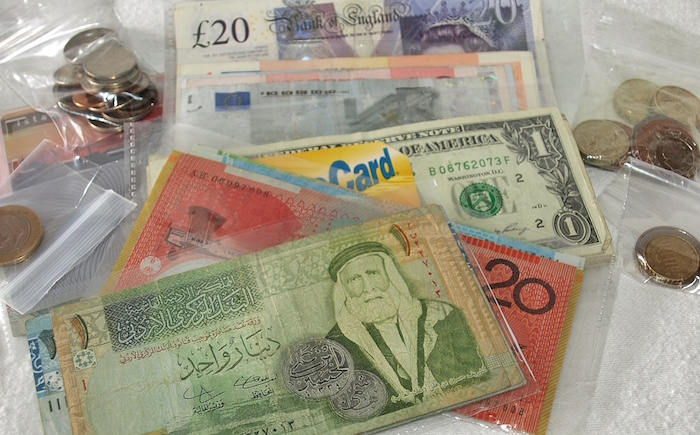
Make currency sleeves for banknotes by cutting the desired size from one of the corners of a plastic page protector. Organise them by country or currency. Notes remain dry when they’re close to the body in a security pouch or hidden pocket. Keep coins, by currency, separated in small craft zip-top bags. While in transit, these will help you stay organised. If you’re likely to need them for another trip, save leftover currency to kickstart your needs for future travel.
2. Inside luggage tag
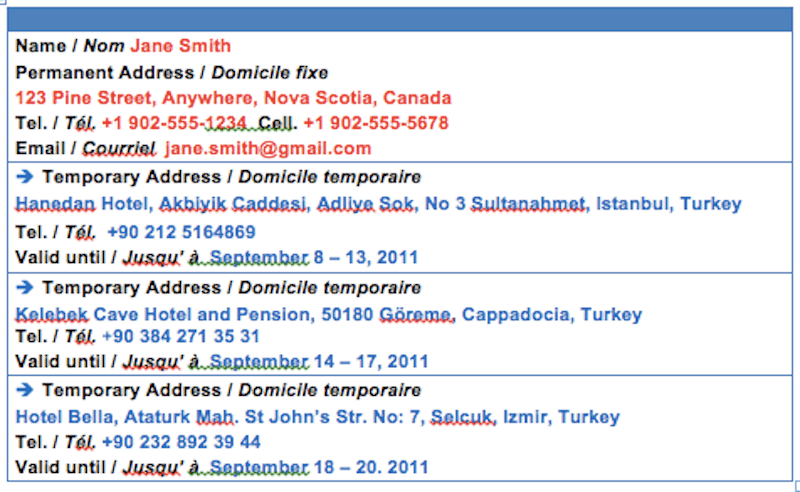
An inside luggage tag is not visible to a passerby. Therefore, it could include information such as your home address and telephone number. It could also list the contact information and dates of all your accommodation bookings. Slip it into a plastic page protector and place it on top of what’s packed in the main compartment of your bag. Post a copy on the fridge or bulletin board for stay-at-home family members or friends.
3. Wired in-ear headphones
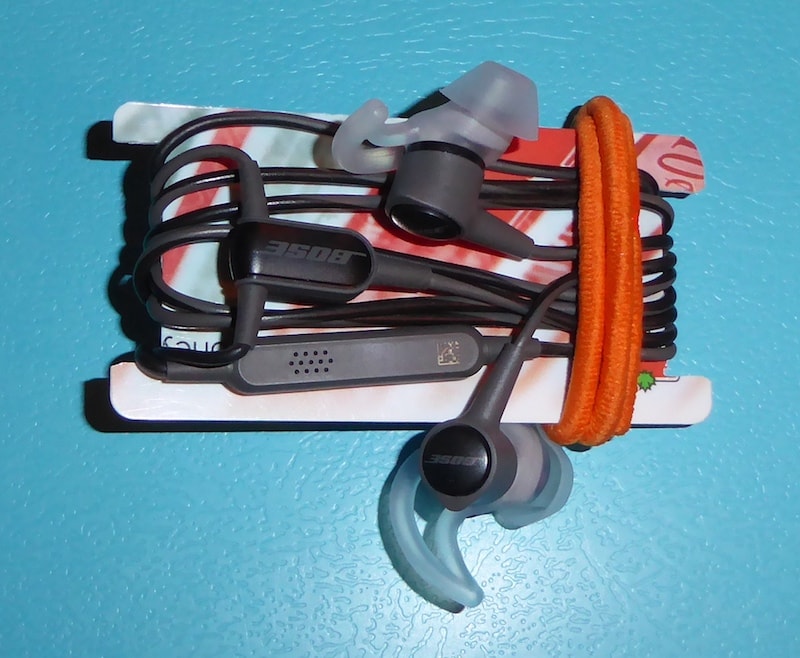
Say goodbye to the tangled cords of wired in-ear headphones.
Use a credit-card-sized hotel key or depleted gift card. Cut a groove in each end to create a wrapping channel. Make a small slit at one end of the channel to receive the jack. Take some fine sandpaper to smooth any rough edges. Place the jack in the slit and start wrapping. Secure the wrapped cord with a sturdy hair elastic.
4. Emergency cash stash
By stashing emergency cash in a few different places, chances are you’ll have access to at least one of them in an emergency. For each place, choose a single undamaged note in a currency and denomination that will be easy to change. Protect notes with a zip-top craft bag or cling wrap if they’re likely to come in contact with tape, perspiration, moisture, or residue from the original product of a repurposed container. Hide cash in plain view in unlikely containers. Look for possibilities on dollar store shelves, or among your discarded containers. Dental floss? BAND-AID® dispenser? Lip balm? Stick deodorant? There are lots of possibilities.
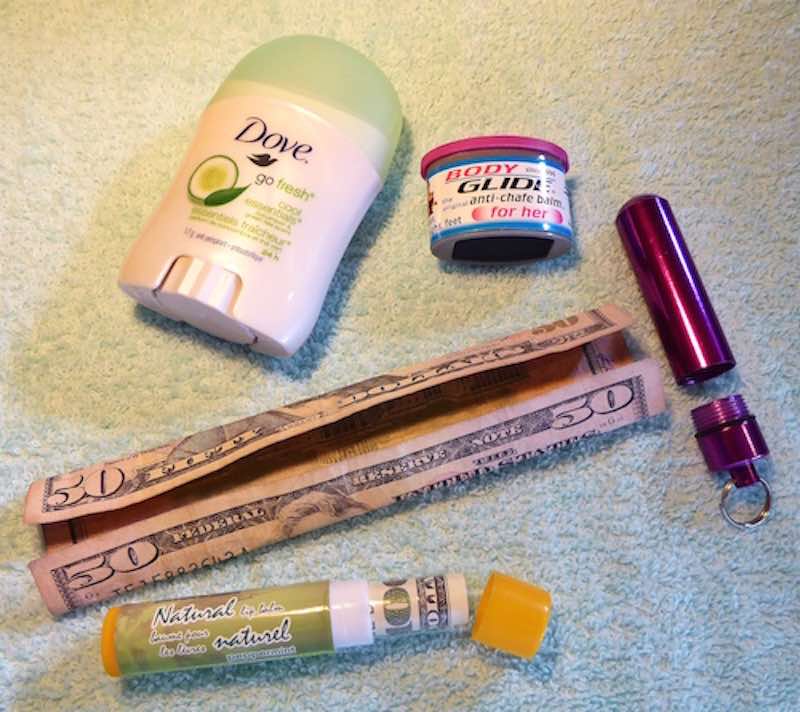
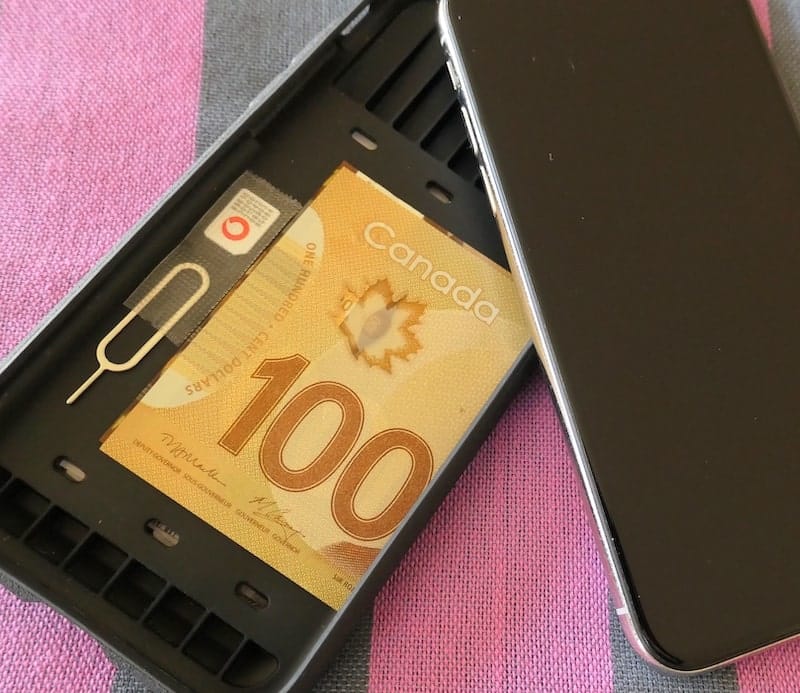
Create hiding places such as under the insole of a shoe, or in secret pockets in clothing. If you’re fastening a stash to the inside of a bag with duct tape, use tape that’s the same colour as your bag. As your phone is likely within easy reach at all times, another hiding place is behind the phone in the case.
5. Duct or gaffer’s tape fob or card
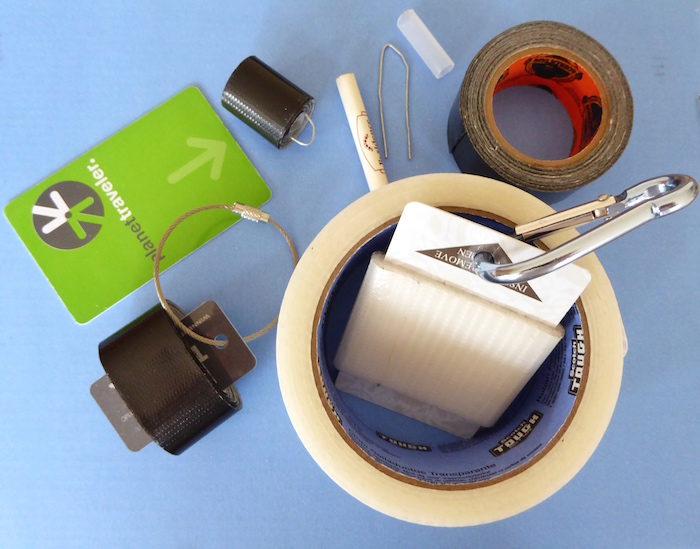
Leave the bulky roll of tape at home. Take a small amount. Make a key fob by rolling a section of tape around a cylinder-shaped object such as a short piece of pencil or plastic tubing. Attach a curved piece of sturdy wire from a paper clip and start wrapping.
Or, make a flat version using a plastic card such as a hotel room key or depleted gift card as the core. Punch a hole in the card for attaching to a daypack with a carabiner or lightweight cable. You might be interested in 31 Practical uses of duct tape when you travel for a description of the many uses of duct tape in a travel context.
Here’s a description of how to make a fob, compliments of Strobist. Of course, you could always wrap shorter lengths of different widths and different colours around other items in your bag. Water bottle? Hiking poles? Containers used for toiletries or first aid supplies?
6. No more dangling straps or webbing
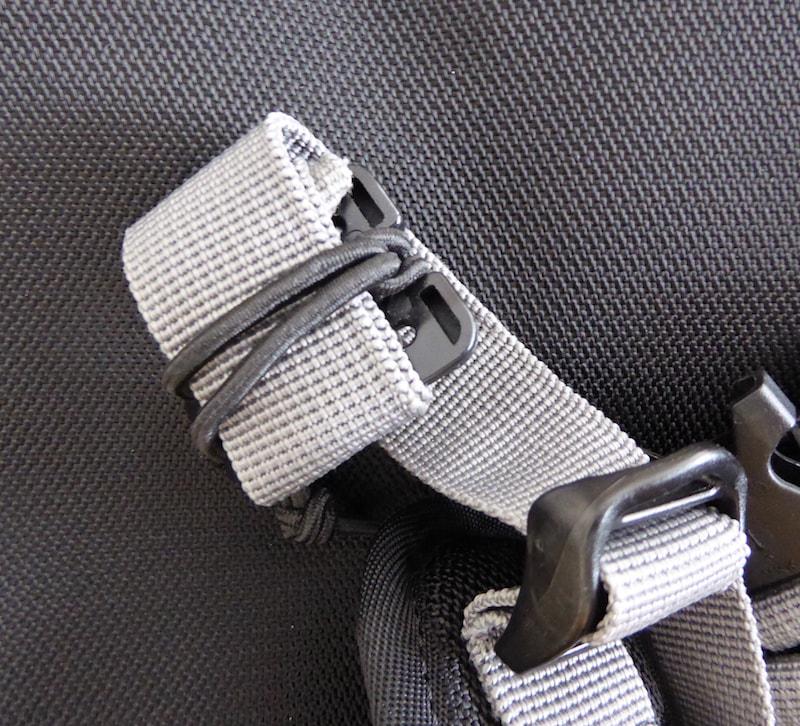
Are you faced with dangling straps after tightening shoulder, sternum, and waist straps? A short-term hack is to roll up the offending portions and secure them with duct tape, gaffer tape, or a durable hair elastic or elastic band.
However, a better long-term solution is to use the brilliant little plastic clips called Web Dominators. Take a look at Tame dangling straps with Web Dominators for more information.
7. Cord minders
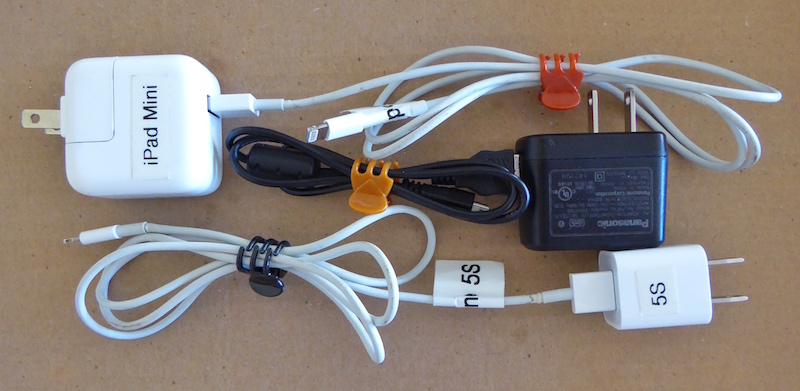
Twist ties do the trick but they wear out and involve too much twisting and untwisting.
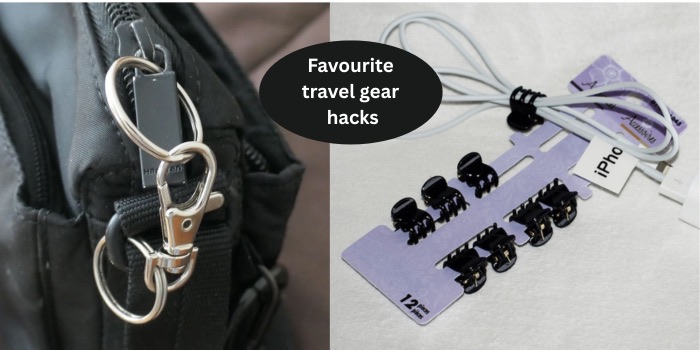
Dollar store hair clips do a decent job. Or better still, clips that fasten orchid stems to plant stakes are stronger and less likely to break than the cheaper dollar-store variety. A simple pinch provides access. Leave the clip attached to the cord while in use and it’ll never go astray. Placing a different colour on each cord makes it easier to grab the right one at a glance. They weigh next to nothing, so toss a couple of spares into your gadget bag.
8. Sanitise with denture cleanser tablets
A refillable water bottle needs be cleaned often, and sanitised on a regular basis. At a minimum, do so at least once a week. However, if you’re in the habit of using electrolyte-enhanced drink tabs or filling your bottle with something other than water, it should be sanitised more frequently.
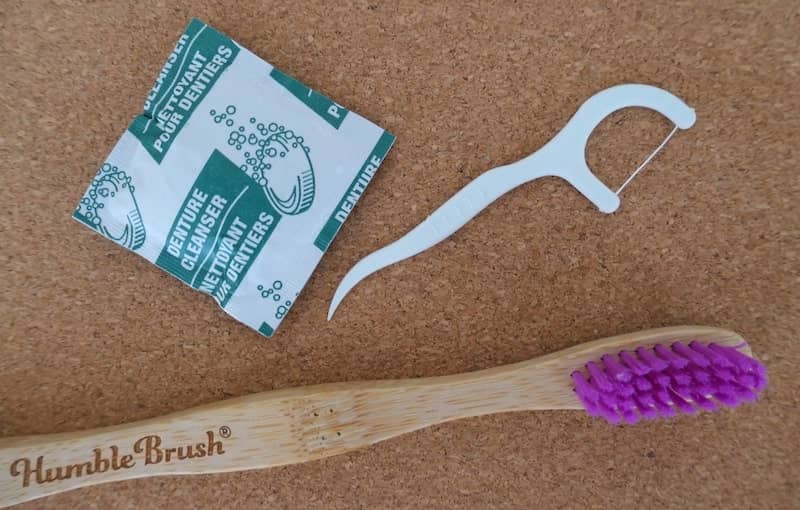
Bacteria love dark, moist areas. An unrefrigerated water bottle is an ideal environment for them to thrive. Washing daily with dish soap and warm water, and leaving it overnight to dry isn’t always a practical option for travellers. Denture cleanser tablets are a viable alternative. Each effervescent tablet comes in an individually wrapped foil-sealed packet. Drop one in a water bottle filled with water, and leave it for the amount of time according to the directions that come with the product. If possible, follow up by cleaning with a bottlebrush.
Drop a tablet into a glass of water to periodically clean a toothbrush. Instead of discarding biodegradable EcoFlosser dental picks, sterilize them to squeeze out a few more uses.
9. Earring minder
Travelling with earrings? Keep each pair together with a button. Slip each earring post into one of the holes in the button.
10. Hat leash
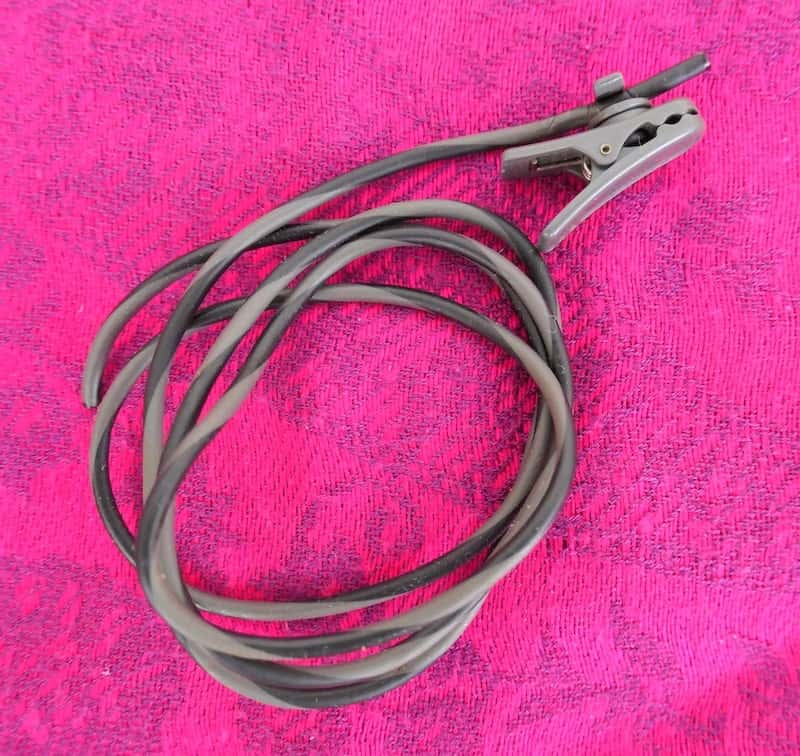
Without an adjustable chin strap or drawcord and toggle to tighten the crown of a hat, chances are it won’t stay in place in windy conditions. One strategy is to clip the hat to clothing to prevent the hat from blowing away. Take a section of worn-out wired in-ear headphones with the original plastic clip attached. The clip attaches to clothing, and the plastic-coated wires can pass for an acceptable lightweight leash to fasten to an adjustable toggle strap.
11. Emergency toilet paper
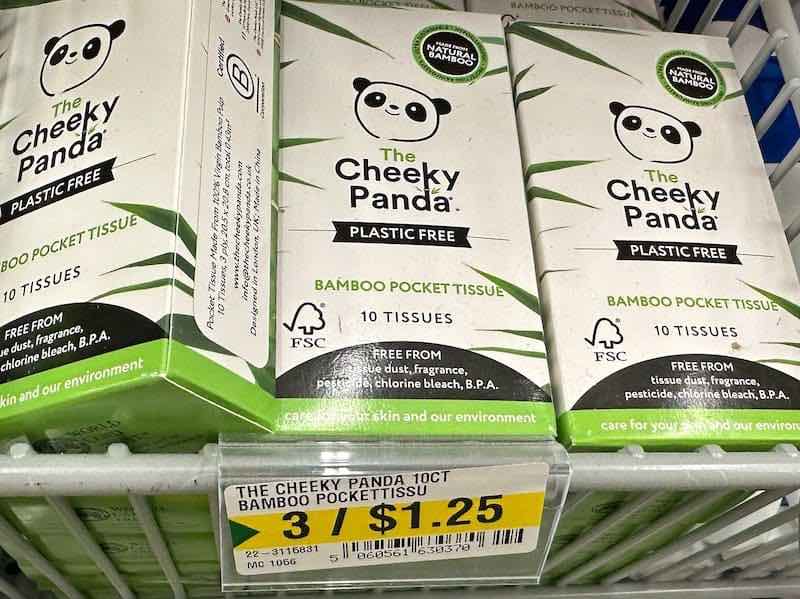
Travel packs of three-ply tissues are handy when faced with a toilet without toilet paper. Bamboo tissues are lightweight, compact, and sustainable, and remain protected in their cellophane or cardboard packets.
12. Packing organisers
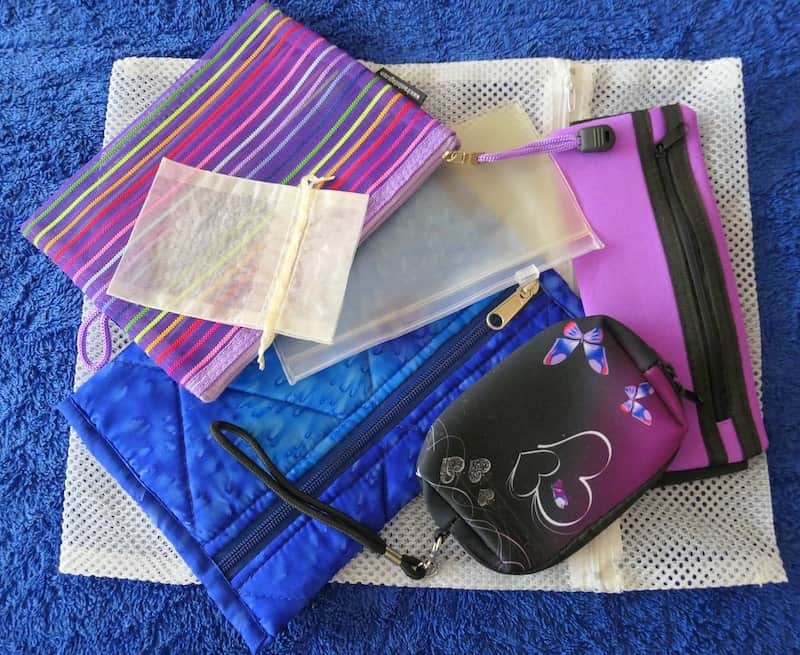
For cheaper packing organisers, cruise dollar store aisles for cloth pencil cases, pouches, filing materials, and bags designed for cosmetics and laundry. Repurpose packaging (e.g., zippered sheet or pillow case packet, plastic envelope) or look for other alternatives around the home or in the workplace. Ziploc® and other single-use zip-top bags are handy as packing organisers, but they’re prone to rip when subjected to the rigours of travel. And they’re hard on the environment when discarded.
13. Empty storage containers
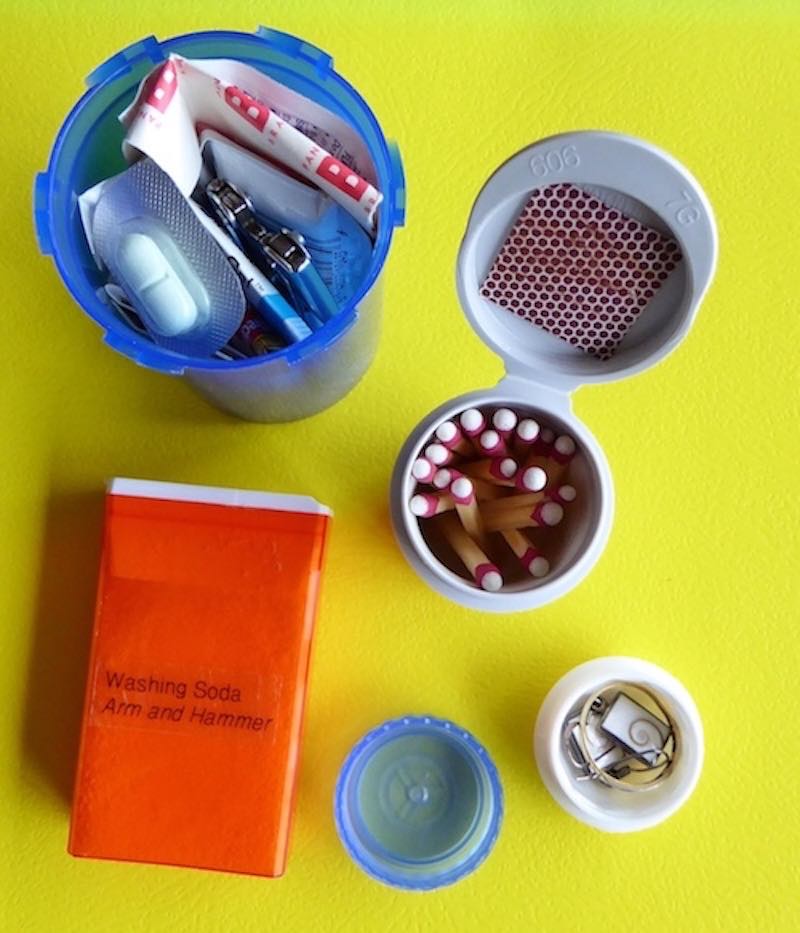
A contact lens case is perfect for products where a little goes a long way, or to store rings or small earrings. Cut the case into two separate containers and they’ll squeeze nicely into a corner of your ‘liquids bag’ or comfort pack. Tic Tac® containers have a small opening so they might be useful for spices or soap powder. A tinted prescription bottle filters out the UV light that degrades most medication. Therefore, one with a wide mouth could be used as a small first-aid kit.
When hiking or camping, keep matches and a section of striking pad in an empty watertight container. For a solid striking surface, attach the striking pad to the inside of the lid.
14. Secure zippers on bags
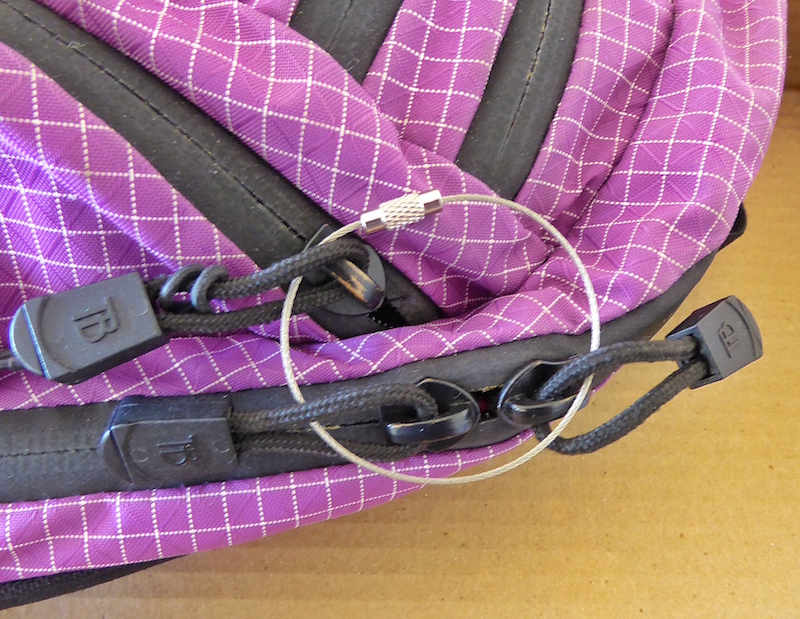
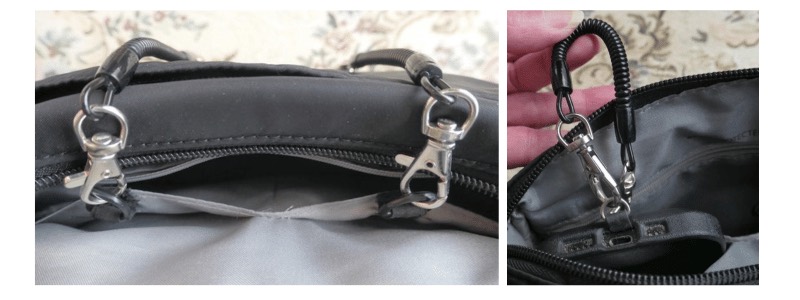
Lightweight aluminum cables secure zippers on a daypack to make it as difficult as possible for pickpockets who usually rely on a quick grab and run. Alternatives to locks include safety pins, twist ties, and S-biner clips… whatever works to anchor zippers or bundle two or more zipper toggles together to delay or discourage a thief.
15. Socks
Use a spare sock as a safe. Stuff money or a financial card into the sock and secure it to the inside of clothing with a safety pin. Use a sock, or pair of socks, as a shoe bag, sink plug, emergency mittens, or a packing organizer and protective case for small electronics and gadgets. A sock with a zipper is a useful piece of anti-pickpocket gear.
16. Dental floss
Dental floss can be used as an emergency shoelace. Stronger than thread, it’s useful for mending jobs requiring a more robust approach. Carry a needle in a sewing kit with an eye that accommodates the thickness of dental floss. Fix eyeglasses after the screw holding the frame together goes missing. Repair a broken necklace or bracelet. It can also substitute as a knife for cutting cheese, fruit, hard-boiled eggs, bread, or pastries.
17. Magnifying glass
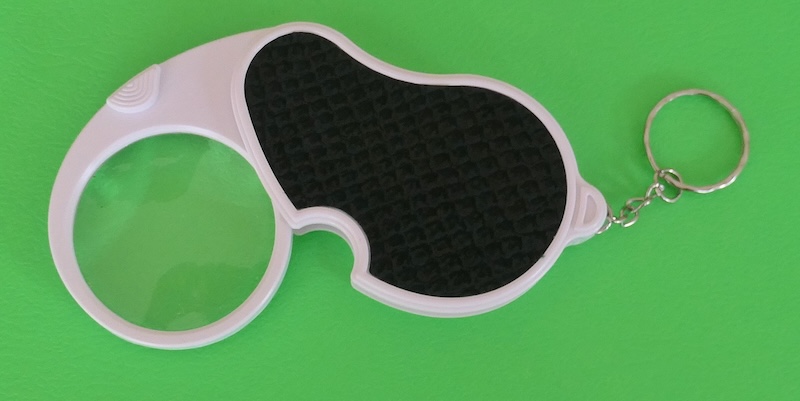
A packable magnifying glass occupies a permanent place in my purse or day bag for reading small print. In direct sunlight, it can be used to ignite dry tinder to help start a fire while hiking or camping.
18. Hair elastics
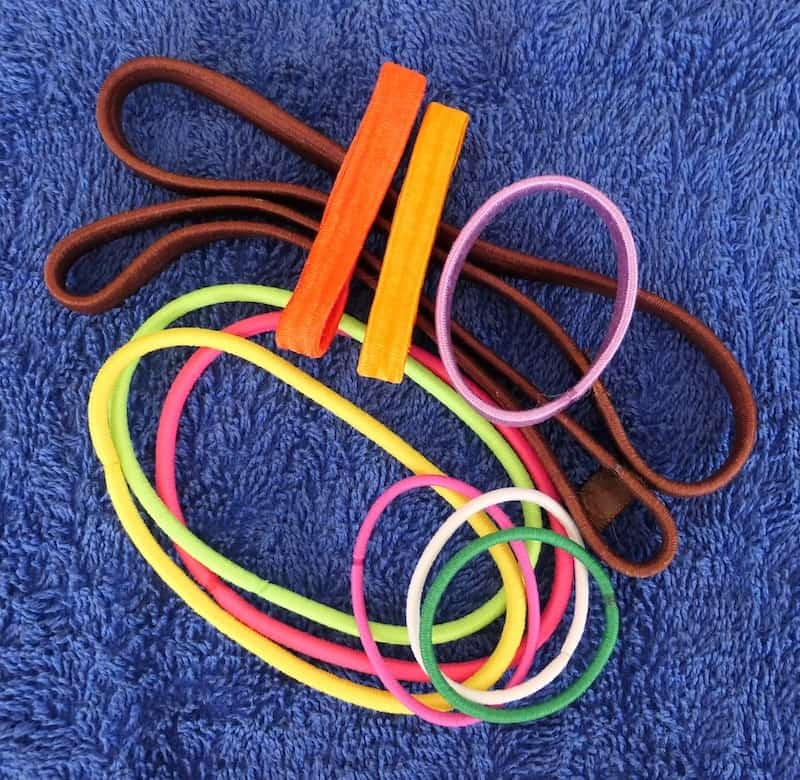
Hair elastics of various lengths, widths, and colours can be used to compress rolled clothing, fashion a safety strap for eyeglasses, or create a gripping handle for a hiking stick. Make an impromptu strap for attaching things to a wrist or ankle. Use one as a bookmark, to bundle things together, or to constrain charging cords.
19. Safety pins
A safety pin is capable of removing a splinter, creating a fishhook, anchoring a zipper to foil pickpockets, fix a wardrobe malfunction, or to fashion a sling. Join curtains to shut out the light for sleeping. Make a temporary repair to a tent, bag, or clothing. Are you travelling with blister packs of liquids or gels, and just need a small amount? Instead of ripping one open, use a safety pin to make a small hole to dispense what’s needed and seal the pack with a binder clip. Place a few in the bottom of a soap bar case for the bar to rest on the safety pins to dry.
20 Binder clip
A binder clip can be used as a bookmark, clothespin, guide for charging cords, keep a rolled-up tube of toothpaste in place, or to clip curtains together to block out light.
21. Old inner tube
Old inner tubes are versatile, durable, and rubbery, making them ideal for various applications while travelling. Cut the tube cross-wise to make durable rubber bands for holding things together. Cut a piece to use as a sink plug; the weight of the water will keep it in place. The same piece can be useful as a non-slip grip for tightening something, or releasing a lid that’s tight. Tape a piece over a hole in a shoe until a better repair can be organised. Use as a garlic peeler by rolling garlic cloves on a counter for the rubber friction to instantly peel the skin.
22. Stretch utility straps
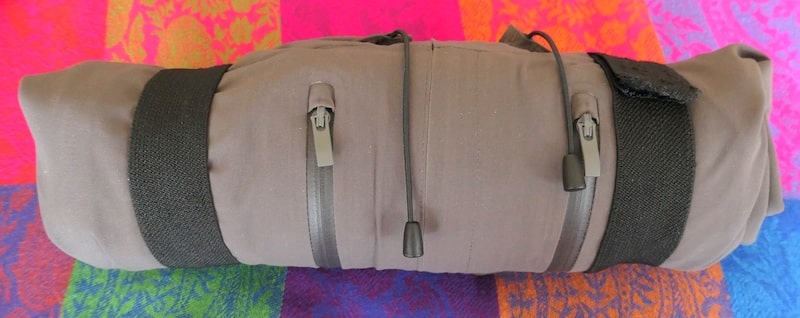
In the automotive section at Dollarama, stretch utility straps are sold as a pair in two different lengths — 12 or 18 inches (30 or 45 centimetres). With Velcro at both ends, these straps compress rolled clothing beautifully. Secure a yoga mat as a neat roll, or bundle items together to take up less space. Tighten wide sleeves at the wrist to keep out the cold. Strap pants to boots to shut out insects or leeches. Wrap around trousers to keep the fabric free of a bicycle chain, or stabilize a temporary splint.
23. Liquid laundry detergent
To pack a favourite liquid laundry detergent without the possibility of spills, cut a cleaning cloth (called a J-cloth or Chux depending on where you live) into single-use strips. Dip them in the detergent, allow them to dry completely, then pack them in a reusable zip-top bag. To use while travelling, add a strip to a sink or dry bag containing water to activate the detergent for handwashing.
24. Self-laminating cards
Self-laminating cards have a variety of applications in a travel context. Make your own luggage tags with a kit containing self-laminating cards and silicone straps.
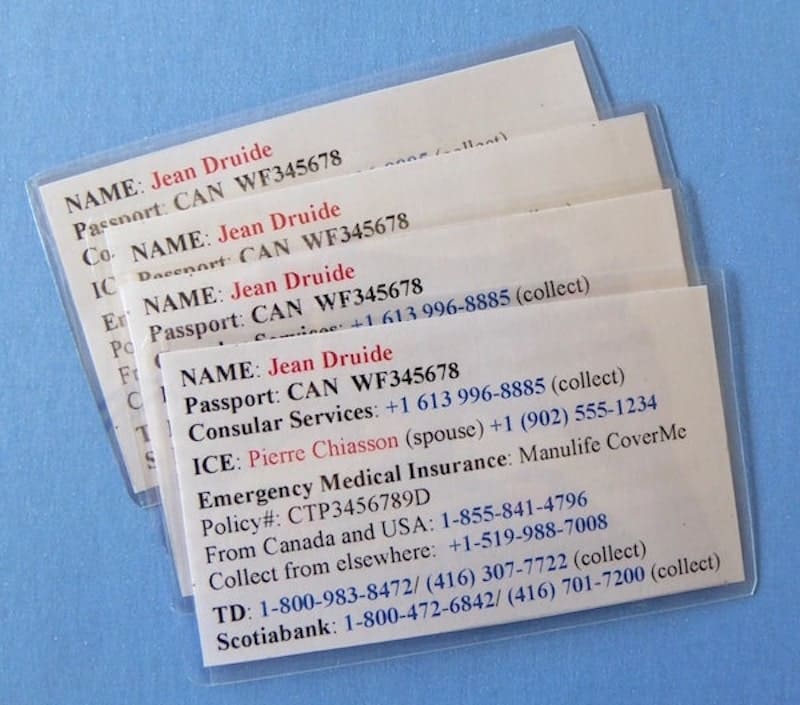
Or look for the version for laminating business cards. These are perfect for creating your own emergency contact cards, or laminating an existing card. For example, I can download a credit-card-sized card with the contact information of the nearest embassy or consulate. My emergency medical insurance provider has a downloadable card for carrying with me on my travels. Both of these will last longer if they’re laminated. But most importantly, I like to create my own emergency contact card. It contains:
- my name
- my phone number and email address
- country of citizenship and passport number
- emergency contact numbers for consular services, financial institutions, and ICE (In Case of Emergency) contacts
- emergency medical insurance policy number and toll-free number
On my last trip, I carried several copies. One was in each of my two bags next to the laminated copy of the information page from my passport. Another was in my wallet, one in the pocket of my wallet phone case, and the other in my passport sleeve. Overkill? Perhaps, but chances are one of these will always be accessible to myself (or others if I’m not in a position to speak for myself).
25. Hand sanitiser
In an interview with the New York Times, cleaning expert Jolie Kerr recommended hand sanitiser for stain removal. “If I had to tell people to carry just one thing with them to handle stains on the fly, it would be hand sanitiser. It has a high concentration of alcohol in it, which is a very good stain remover and will work on everything from pen to food spills to blood.”
For natural sanitisers dispensed from a spray bottle, EO co-founder Susan Griffin-Black has used it as a deodoriser on her yoga mat and sneakers, and to clean smears and smudges from a phone screen and glasses.
26. Travel clothesline
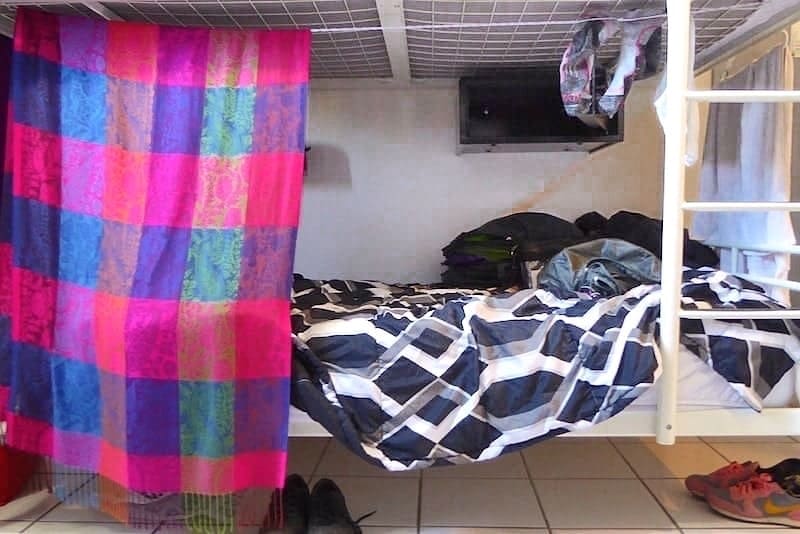
A braided travel clothesline doesn’t require clothespins to attach laundry. It can be used as a clothesline or a ‘curtain rod’ for a privacy curtain. Attach it to two fixed objects, and hang a pashmina to create a screen while sleeping or dressing. It works very well when strung between the posts of the lower bunk in a hostel dorm. If I stay in a hostel without a privacy curtain, my clothesline serves as a privacy curtain and clothesline. Or, use it to strap items in place, or bundle them together.
27. Bandana
Use a bandana as a handkerchief, or as a face cloth to wipe away trail dust or perspiration from a workout. Cover your face in dusty or smoggy conditions, or for protection from the sun. Make an ice pack, tourniquet, or sling. Use as a headband, hair tie, or scarf. Tie a couple together to create a strap, or as padding to prevent chafing. Wrap up a sandwich, fashion a reusable snack sack, or use as a napkin. There are loads of possibilities. They’re lightweight, reusable, and quick drying.
28. Make a purse more secure
I’m yet to find an anti-theft travel purse with most of the features I appreciate in a cross-body bag. Depending on the design of a purse and hardware you have at your disposal, it’s possible to make a favourite travel purse less attractive to pickpockets. See 3 Simple ways to make a favourite travel purse more secure for ideas and inspiration.
29. Microfibre pouch
A microfibre pouch designed to protect reading glasses or sunglasses doubles as a lens cleaner. I use one to protect my pocket camera from scratches and dust while it sits in a pocket, purse, or daypack. The soft fabric of the pouch cleans the lens, alleviating the need to carry a separate microfibre cleaning cloth.

Conclusion
Travel teaches us to be resourceful and inventive. Packing can be more satisfying when alternate or multiple uses can be found for things that at first blush seem one-dimensional. Travel gear hacks can be easy on the wallet when using items from home or on dollar-store shelves.
Might you be interested in these related posts?
- Stop pickpockets with an assortment of anti-pickpocket gear
- Always pack a pashmina: one of the bst multipurpose items in a travel bag
- 54 cheap travel essentials on dollar store shelves
- A MacGyver kit for travel: 20 simple ideas
- 31 Practical uses of duct tape when you travel
- 13 Useful reasons to travel with dry bags
- Laundry packing list and laundry tips while travelling
- 12 Must-have features of a phone wallet case for travel
- How to choose the best reusable water bottle for travel
- 3 Simple ways to make a favourite travel purse more secure
- Laundry packing list and laundry tips while travelling
- How to make a traveller’s emergency contact card in 5 easy steps
If you found these ideas useful, please share this post by selecting one or more social media buttons. What other multipurpose travel gear or travel gear hacks are part of your packing strategy? Please share your thoughts in the comments. Thank you.
Care to share on Pinterest?
The Amazon links on this post are affiliate links. If you click on one to buy something, you don’t pay more, but Packing Light Travel earns a small commission which helps pay the costs of maintaining the site. Thank you for your support.


Hey you have a great inspiration. I like what you did and will read your article once again to see what can i take from you and do it myself :).
Fantastic list of hacks! I never thought about using buttons to organize earrings! I’ve definitely keep that in mind the next time I pack to travel!
I have several tips for clothing pack which want to share with you guys also
Get organized: Use lightweight packing cubes (right) to keep socks and underwear separate from shirts and toiletries. They are available in multiple sizes.
Be neat: Packing folders keep clothing looking pressed while traveling. Some can hold up to 15 garments.
Avoid wrinkles: Another way to avoid wrinkles in your pants and dresses is by folding them at the knees. Try this technique: Place the top half of your pants and/or dresses inside your luggage with the bottom half draped outside. When all garments are stacked inside your luggage, fold the bottom of the garments at the knees back into the luggage.
Smell fresh: Place a scented dryer sheet or incense bag in between a few layers of clothing while you’re packing. Doing this will keep your clothes smelling fresh and clean during the entire trip.
Hey Anne,
Awesome list! I’ve never thought of button earring holders, this is so cool! 🙂
Really cool article! So many that I haven’t yet thought off! Using hair clips for organizing cords is a brilliant idea.
love these tips! especially the denture tabs to clean water bottles 🙂