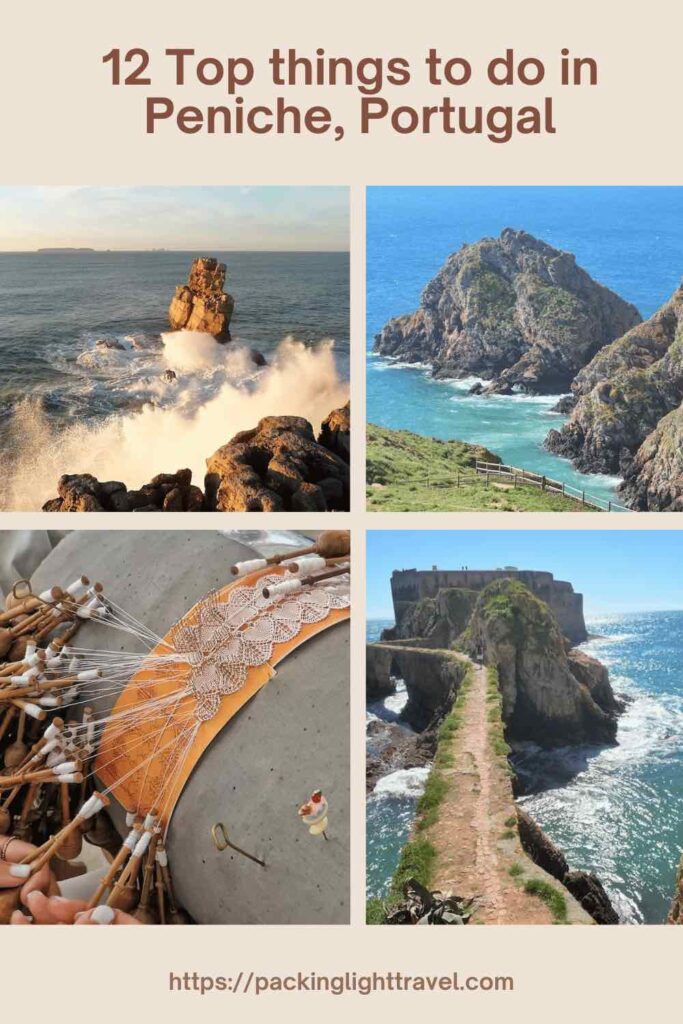
Top things to do in Peniche include hiking the rugged, windswept peninsula, surfing (or watching surfers) at world-acclaimed beaches, strolling along the sea wall that protects the marina, taking a day trip to the Berlengas Islands, and enjoying fresh seafood and traditional Portuguese cuisine at the town’s many restaurants.
Top things to do in Peniche
With deep-rooted traditions and a vibrant fishing community, the quiet city with a bustling harbour is one of Portugal’s largest traditional fishing ports. It is also famous for bobbin lacework, perfected by generations of women who sat for hours creating intricate patterns with bobbins while the men were at sea.
1. Take a day trip to the Berlengas Archipelago
Peniche is a gateway to the UNESCO Biosphere Reserve of the Berlengas Islands. Daily visitor numbers are capped at 550, so booking ahead is essential. Ferries leave from the Port of Peniche for the main island, Berlenga Grande, about 10 kilometres (6 miles) offshore.
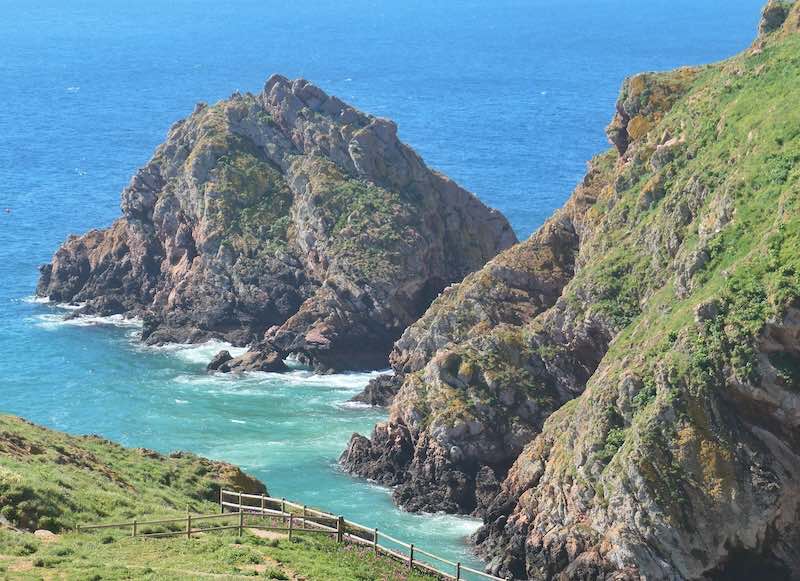
The Berlenga Natural Reserve, which includes Berlenga, Estela, and surrounding islands, was established in 1981.
The protected reserve is renowned for its rich marine life, crystal-clear waters, and diverse array of flora. Berlenga Grande Island has two kilometres of trails. The popular trails lead to Farol da Berlenga and Forte de São João Baptista, the island’s two main points of interest. The climb to the lighthouse is steep (but manageable), and leads to the island’s highest point, 112 metres above sea level. The lighthouse has operated since 1842, but unfortunately, it is closed to visitors.
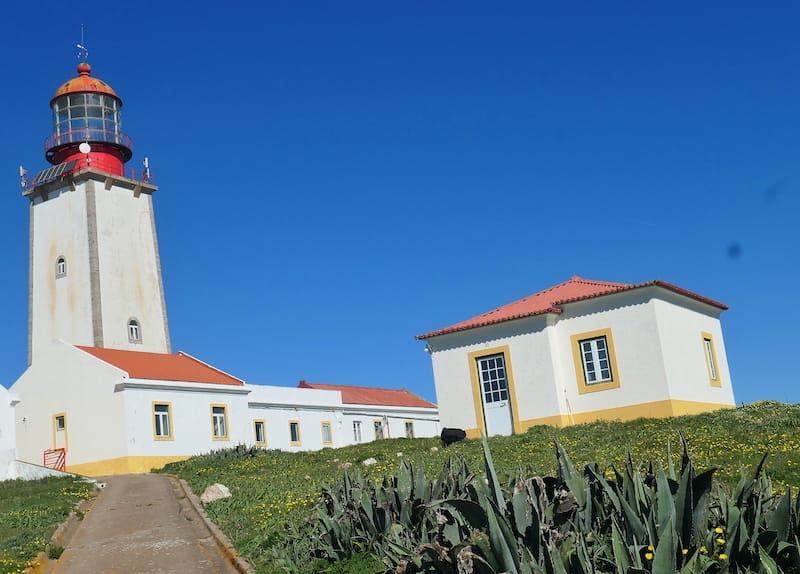
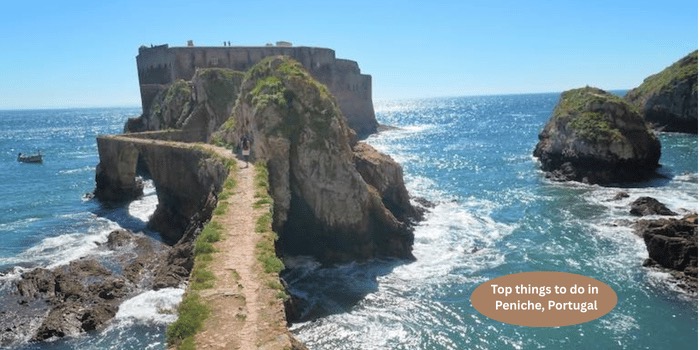
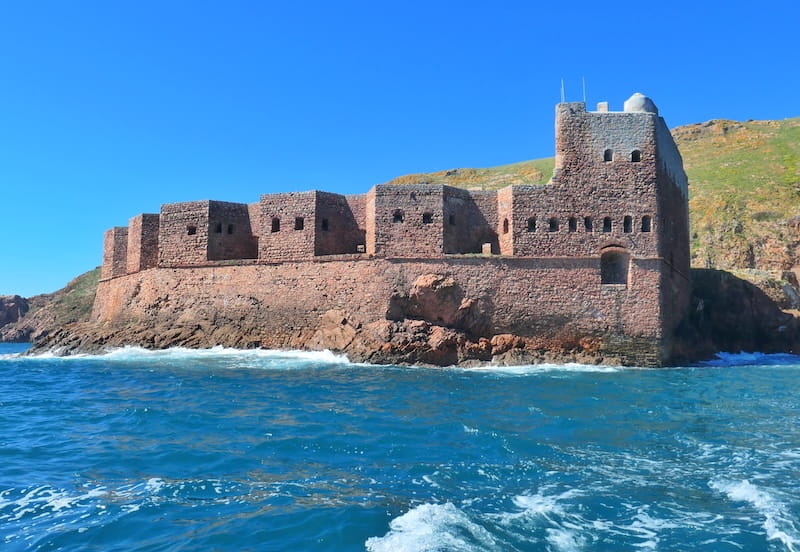
From the lighthouse, a steep downhill trail leads to Forte de São João Baptista (Fort of St John the Baptist), built in the early-16th century to defend the Portuguese coast against pirate attacks. The fort was built on the ruins of a monastery established by monks from the Order of São Jerónimo to help victims of frequent shipwrecks. The monastery remained until the mid-16th century, when disease, lack of supplies, and pirate attacks forced the monks to abandon their service on the island.
The view from the cliff above the fort is one of the island’s most beautiful. A narrow stone causeway connects the spectacular fortification to the island.
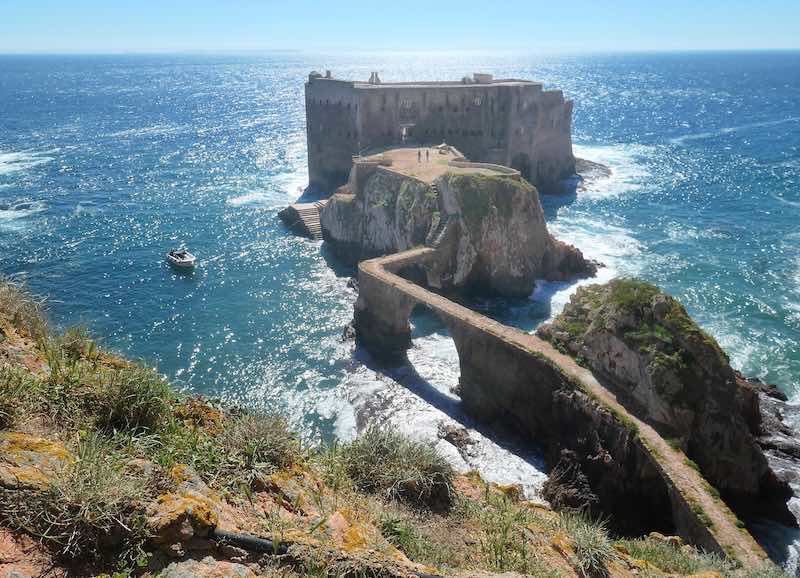
The causeway arches over the sea, standing as a defiant symbol of resilience against the ocean’s power.
The fort was restored to its former glory in the 1950’s.
2. Explore the Peniche Fort
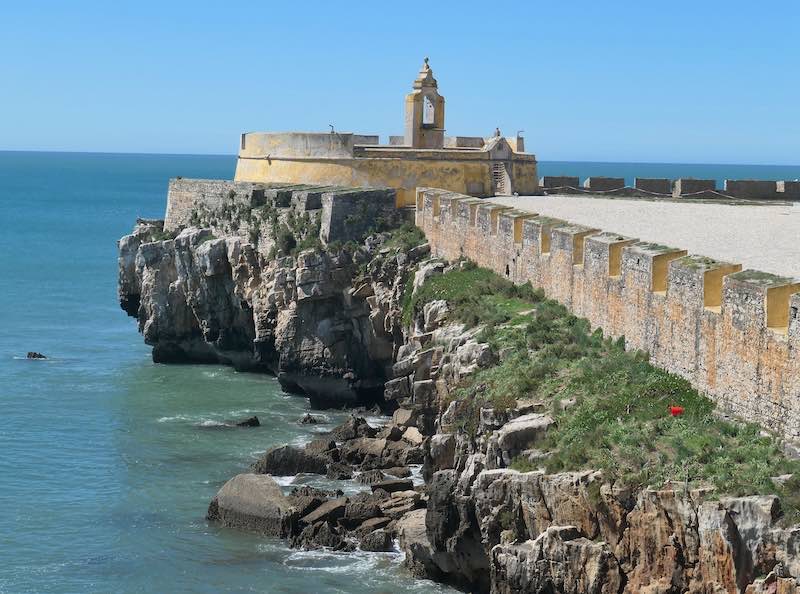
One of Peniche’s best-known landmarks is the 16th-century Praça-forte de Peniche with panoramic views of the Atlantic Ocean, the surrounding coastline, and the fishing harbour from its ramparts. The fortress stands as a testament to the area’s strategic importance throughout history, when a system of forts was built up and down the coast. It later served as a prison for political dissidents who were held in harsh conditions under the fascist Estado Novo regime from 1933 to 1974.
3. Visit the National Museum of Resistance and Freedom
Some of Peniche’s fascinating history is dark, relating to the notorious prison for political prisoners, now the National Museum of Resistance and Freedom housed in the 16th-century Peniche Fort.
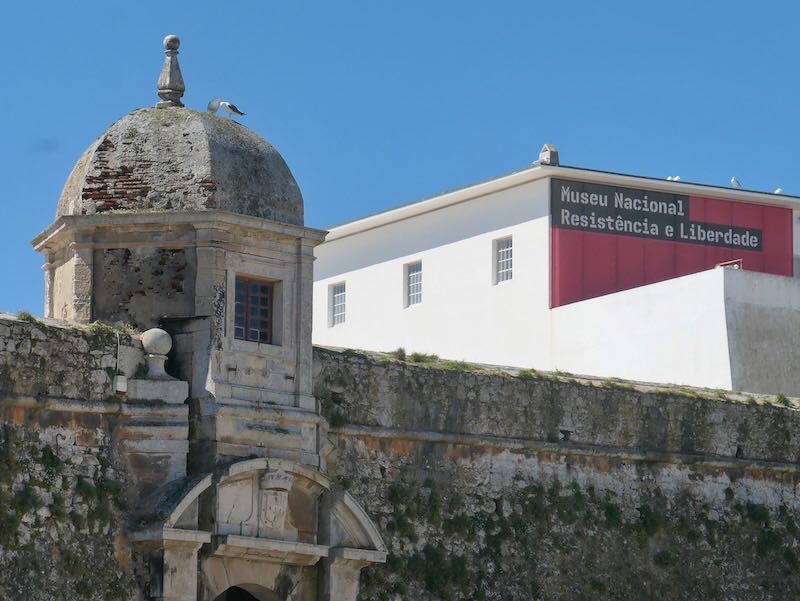
The museum documents the repression under the fascist dictatorship, some of the turbulent events of 48 years of authoritarian rule and oppression in Portugal and the colonies (1926 to 1974), the independence movements, armed struggles against Portuguese colonialism, the struggle for democracy that culminated in the ‘Carnation Revolution’ of April 25, 1974, and the agreements to secure the independence and self- determination for the former Portuguese colonies between 1974 and 1975.
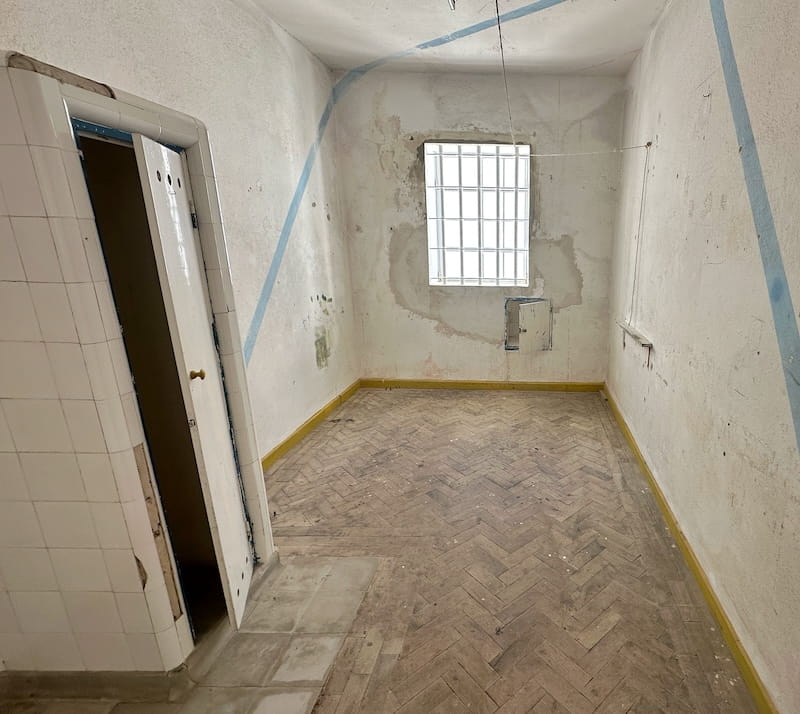
Exhibits include the original cells, the famous 1960 prison escape, testimonials, videos, information panels, and artefacts linked to the resistance movement.
4. Wander the streets of the old town
Peniche’s old town is enclosed by thick 16th-century walls, and the best way to explore it is on foot. Inside the walls, narrow streets wind their way past whitewashed houses, tiled doorways, small chapels, and other architectural gems that reflect centuries of everyday life. Getting pleasantly lost in cobblestoned alleys is acceptable, as the harbour is always within walking distance.
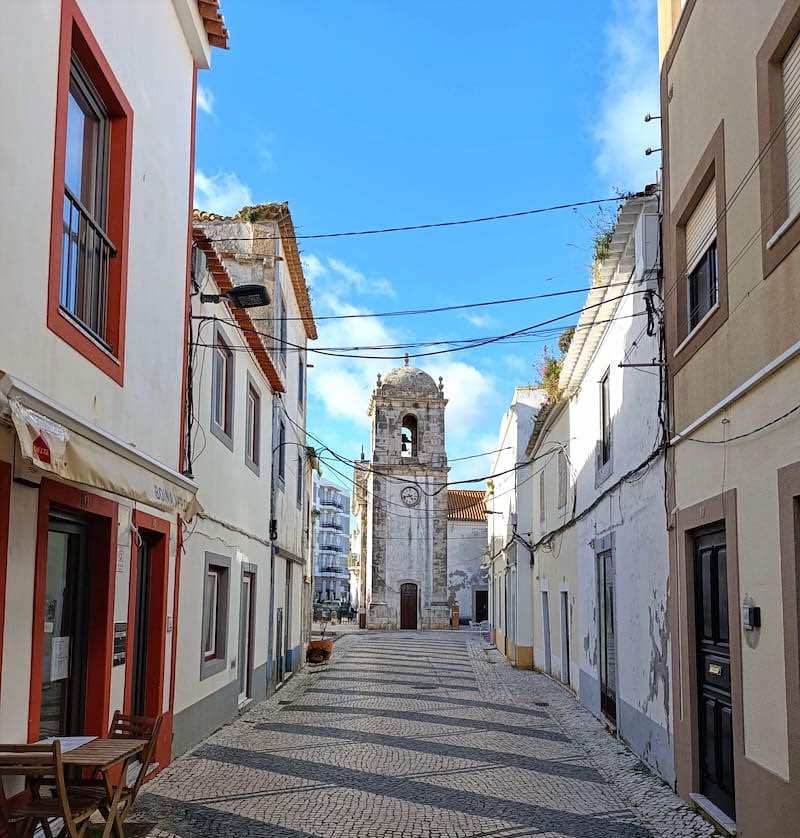 Photo credit: Alcimar Lourenco, Pexels
5. Stroll along the sea wall
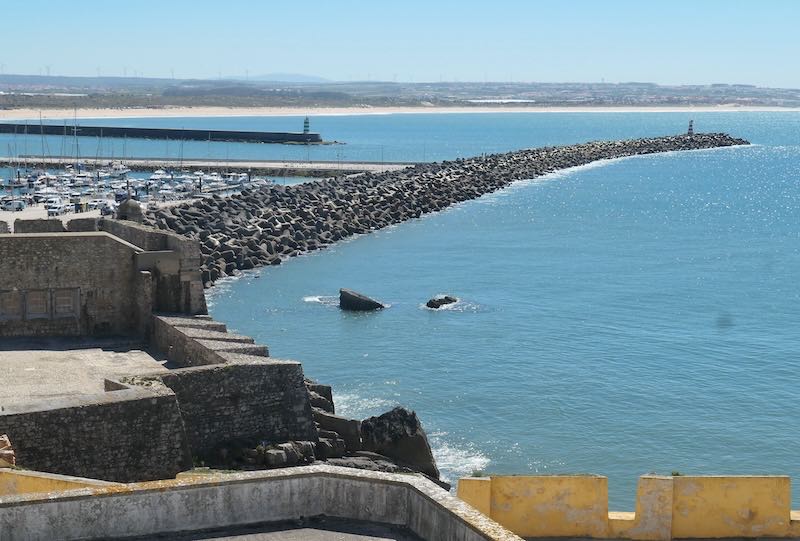
Stroll along the sea wall of the Peniche Marina to the lighthouse.
Four-legged tetrapods protect the marina. Unlike solid sea walls that take the full force of a wave, tetrapods are arranged in loose, interlocking piles, allowing water to flow through the gaps, breaking up the wave’s energy and reducing its destructive force.
6. Hike or bike the Peniche Circuit Trail
The Peniche Circuit Trail is a very interesting (and mostly flat) 12-kilometre (7-mile) coastal trail with many scenic viewpoints. It’s a mix of urban, paved, and rugged, rocky trails along the cliffs, passing the Peniche Fort, the Santuário de Nossa Senhora dos Remédios (Chapel/Sanctuary of Our Lady of Remedies), the Cabo Carvoeiro Lighthouse, the Cruz de Remédios Viewpoint, and the Papôa Islet. The dramatic cliffs have been carved by centuries of waves battering the coast, with strange but interesting rock formations rising from the water. It’s a hike worth taking, but dress for the conditions.
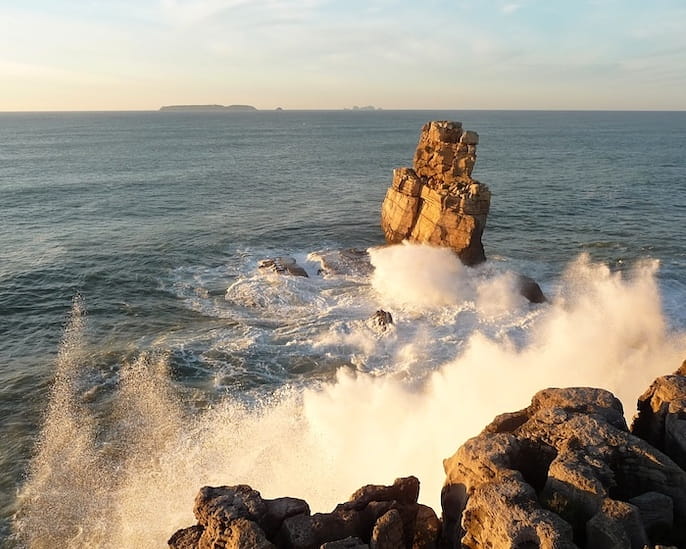 Photo credit: Sandra Jorge Stanley, Pixabay
7. Join the surfers at Supertubos
Peniche is a world-acclaimed destination for surfers and a site of international surfing competitions.
Supertubos Beach is one of Europe’s most famous surf breaks where waves curl into powerful tubes that challenge the most experienced surfers. Watching the waves and the surfers is pure entertainment.
Cycling between Peniche and the beaches is enjoyable if the wind cooperates; rental shops are available in Peniche and Baleal. Uber and Bolt are ride-sharing options.
8. Wander around Baleal Island
Enjoy a pleasant stroll (or take a Bolt or Uber) along the coastal road to Baleal Island, five kilometres (three miles) from Peniche, with its dramatic views of surf, cliffs, and sandy stretches.
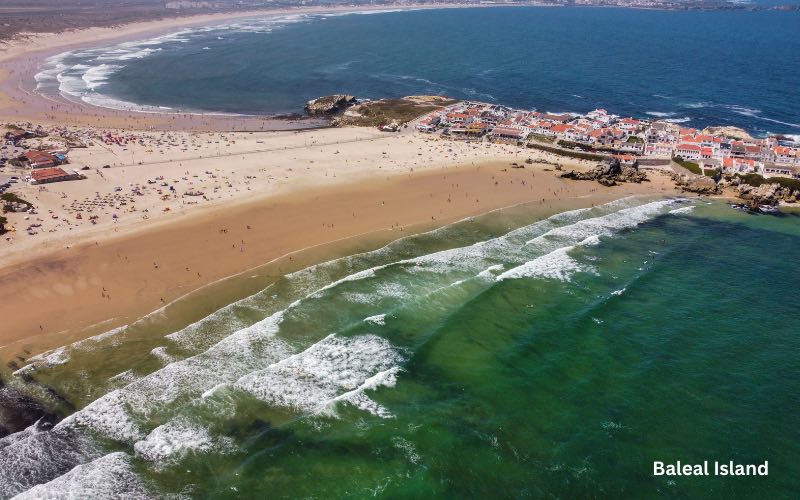
Connected to the mainland by a narrow isthmus, Baleal Island’s picturesque setting is enhanced by clusters of whitewashed houses and golden beaches. On one side of the isthmus, calmer waves suit swimmers; on the other, more challenging breaks suit experienced surfers. Dine at one of the reasonably priced seafood restaurants and cafés.
9. Pause by the bobbin lace makers’ monument
The Monumento à Rendilheira (Lace Maker Monument) is a prominent sculpture dedicated to the women who have practised bobbin lace (renda de bilros) for over four centuries. It honours the women who worked tirelessly to produce intricate lace designs. Bobbin lace was an important activity for the community’s women, often providing the family’s primary or extra income through the sale of these delicate works of art.
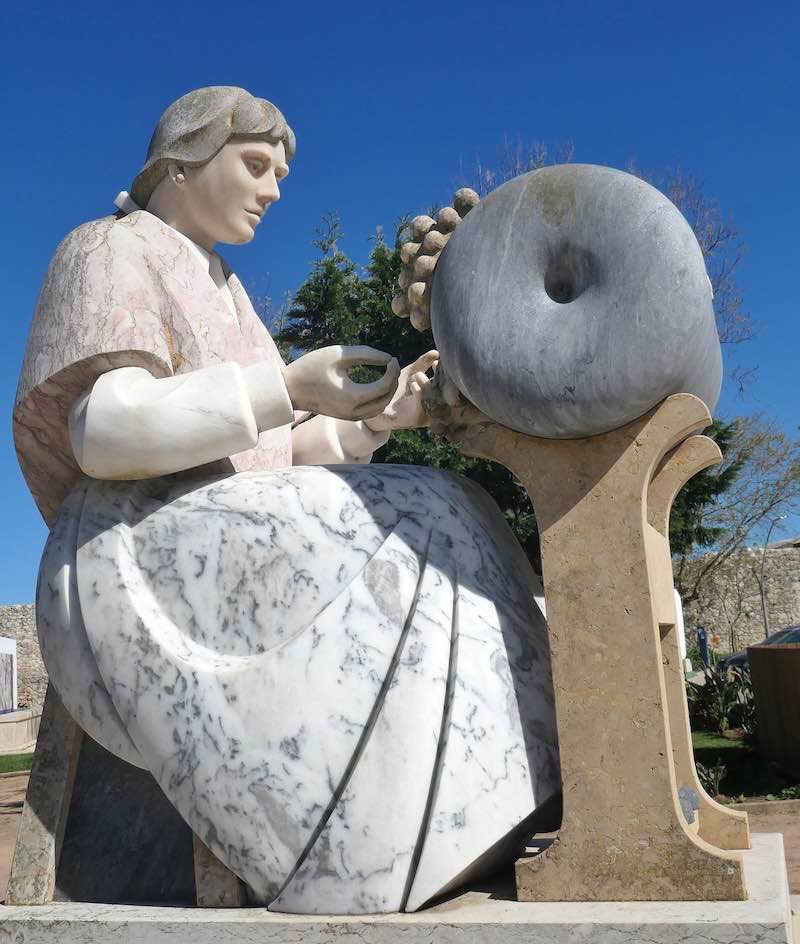
It stands on Rua Alexandre Herculano in Peniche’s central park called ‘Jardim Central.’
10. Visit the Bobbin Lace Making Museum
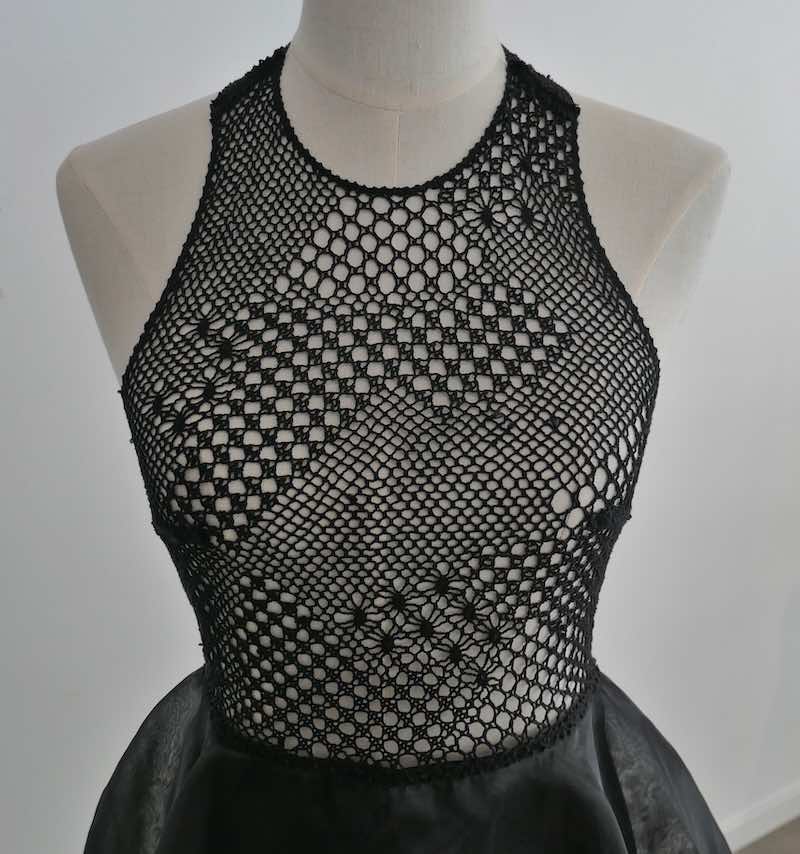
The Bobbin Lace Making Museum showcases delicate examples and explains the craft’s history, offering a glimpse into the patience and artistry that have long been part of Peniche daily life. Its collection includes several stunning pieces that combine new applications with old patterns from this centuries-old craft.
11. Visit the Bobbin Lace School
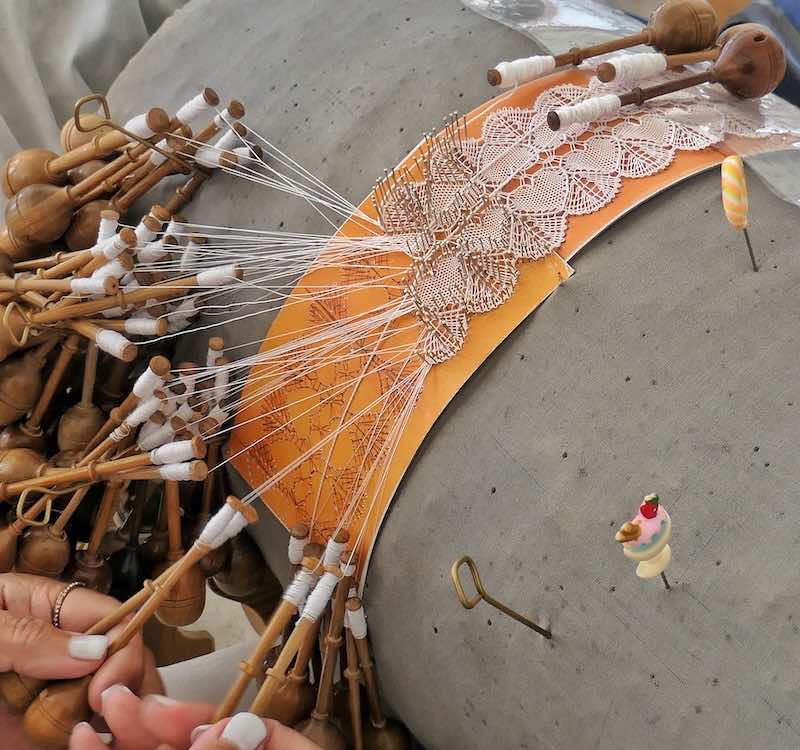
The Escola de Rendas Bilros (Bobbin Lace School) is next to the tourist information office, where women can be observed preserving the traditional, time-consuming art that remains a key part of Peniche’s cultural identity.
Bobbin lace involves interlacing multiple threads wound around small spindles known as bobbins. Lacemakers work on a cylindrical pillow, following a design previously pricked onto a card. The variety of stitches and techniques is vast, with geometric, marine, and floral motifs reflecting the community’s connection to the sea. Established in 1987, the Municipal School of Bobbin Lace is dedicated to preserving and teaching traditional lace-making techniques.
12. Enjoy seafood
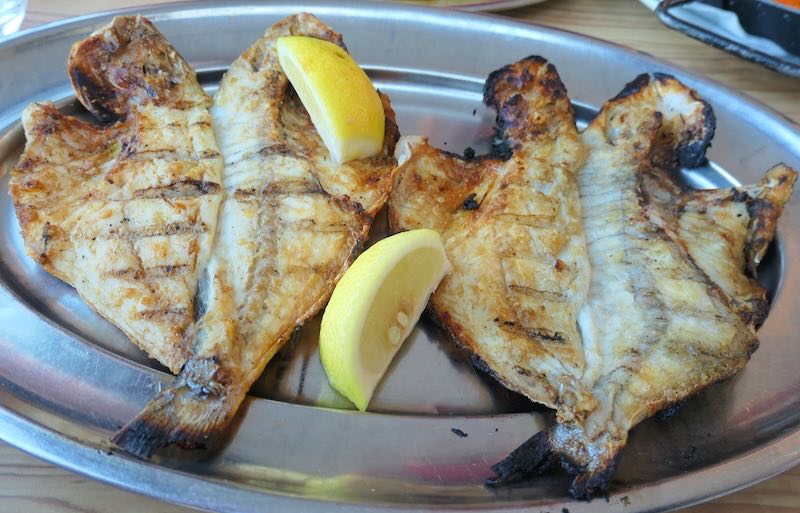
Peniche’s culinary landscape reflects its rich maritime heritage. Its coastal location ensures a plentiful supply of fresh seafood, with delectable dishes served at affordable prices in the town’s many restaurants.
 Codfish with cream at Restaurant a Sardinha
Where to stay
Peniche is relatively compact and walkable if you stay in the centre. Sea Garden Residência on Rua Alexandre Herculano, 76, across from the tourist office and the Bobbin Lace School, was perfect for exploring the city. The cost of accommodation includes a superb continental breakfast.
Getting there
Travelling from Porto, the Rede Expressos bus service was affordable and efficient. The journey takes between 4 and 5 hours. Regular bus services depart from the Sete Rios station in Lisbon, with the ride taking 1.5 to 2 hours.
From the bus station in Peniche, the Sea Garden Residência is an 8-minute walk or a 4-minute Bolt or Uber drive.
Conclusion
Peniche isn’t a day-trip destination from Lisbon or Porto; it deserves at least a few nights with a surprising amount to see and do. It combines well with a trip to tourism-focused Óbidos (24/15 km/mi away) or Nazaré (63/40 km/mi).
Berlenga Grande Island takes a day, the seaside fort where Salazar’s regime detained political prisoners demands several hours, and seafood lovers will appreciate the variety on offer.
If you found this post helpful, please share it by selecting one or more social media buttons. Have you visited Peniche? What other sites and experiences would you add? Please add your thoughts in the comments. Thank you.
If Portugal is on your travel list, you might be interested in You’ll love Nazare Portugal where tradition and tourism coexist and 34 Top free and inexpensive things to do in Porto, Portugal.
Pin it for later?